
 Dan·16 November 2026·7 min read
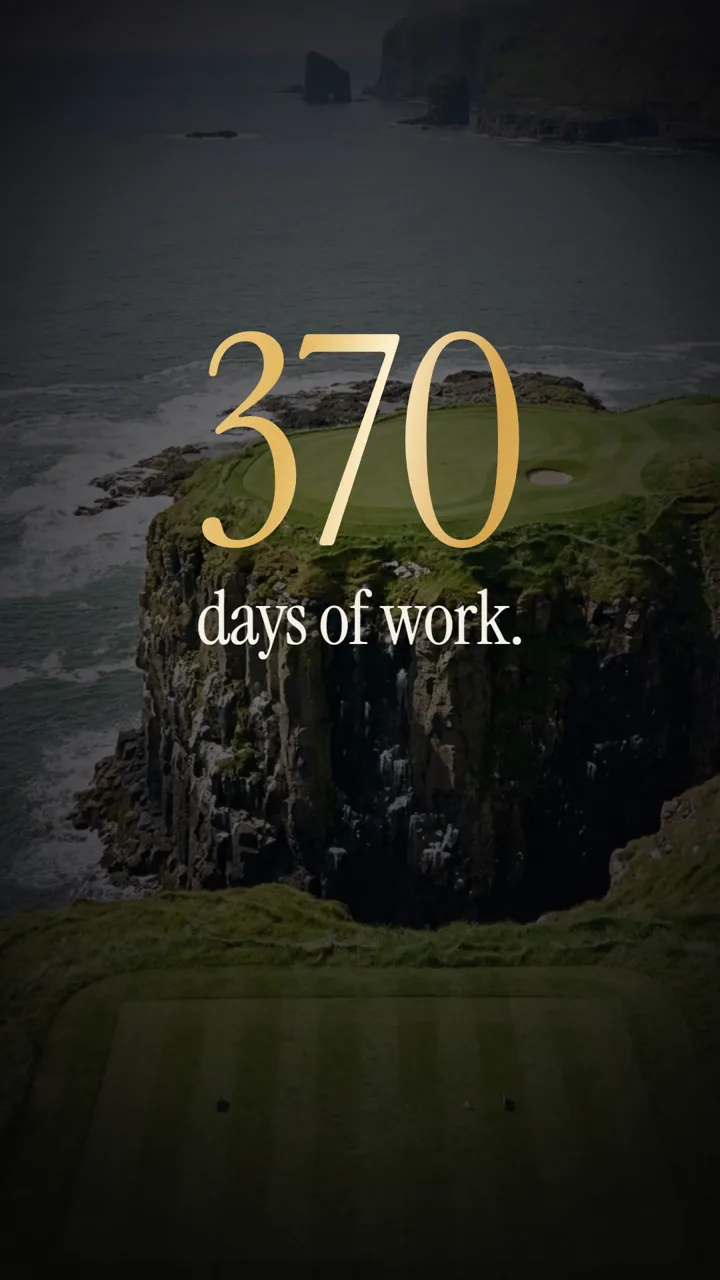
370 Days of Work, Done in 14
A couple of weeks ago I asked Claude to go through every commit in every one of my GitHub repositories and tell me what we had actually built in the last fortnight. Then I asked it the question I was slightly scared of: how long would that have taken a developer before AI?
The answer, once I added the work on my own software product, came out at between 223 and 372 working days. Call it 370. A year and a half of one person's time, done between 28 October and 11 November.
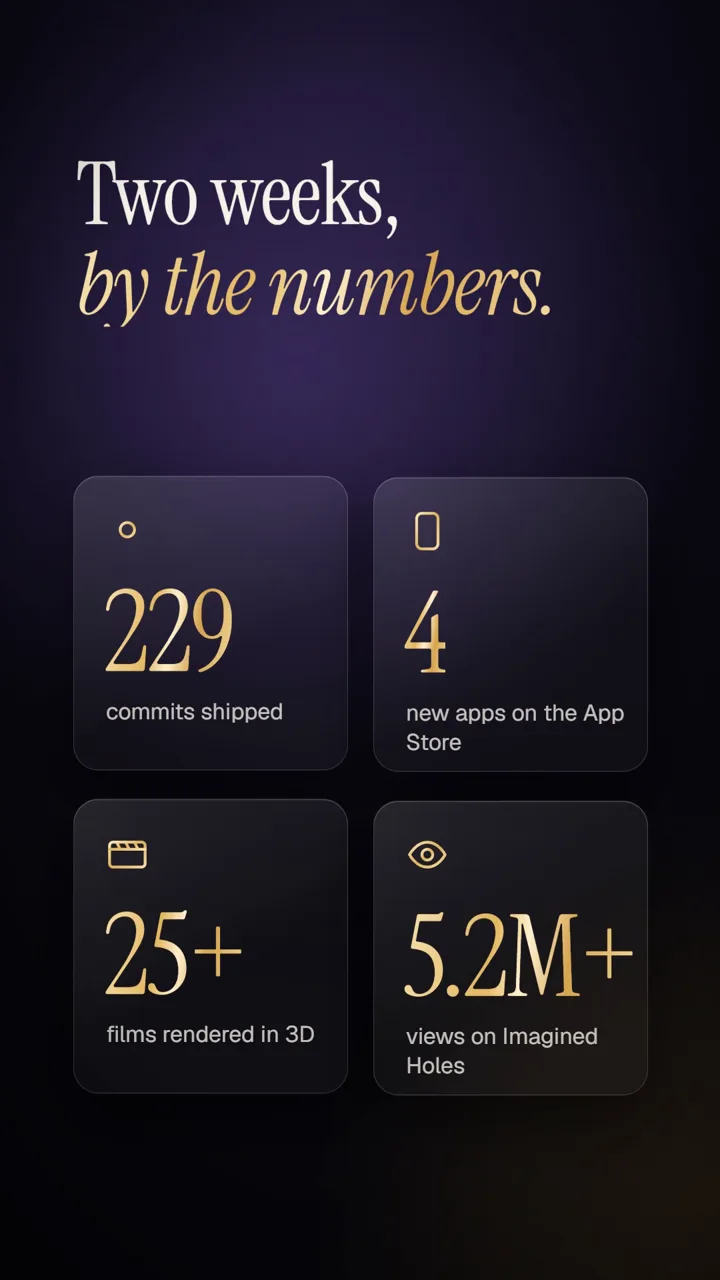
- commits shipped
- 229
- new apps on the App Store
- 4
- films rendered in 3D
- 25+
- views on Imagined Holes
- 5.2M+
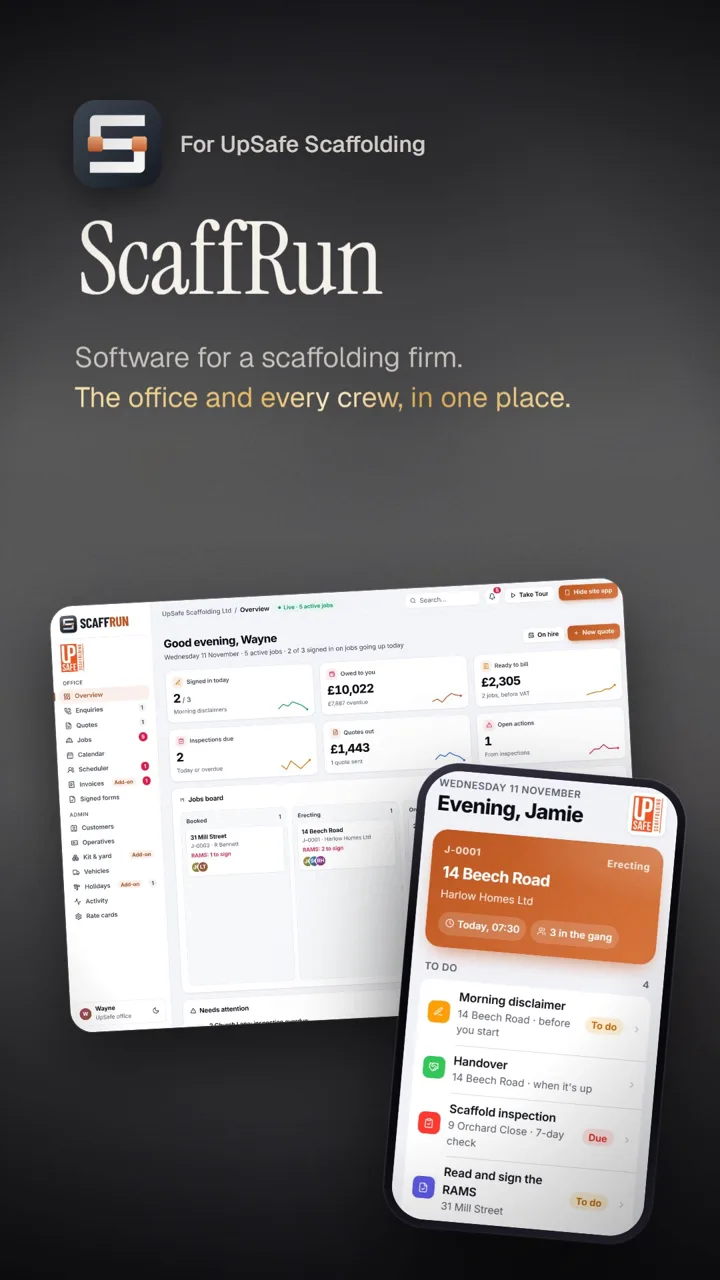
I turned the fortnight into a short film for social media, and the stills from it are the easiest way to show the scale.
The bottleneck is no longer typing code. It is knowing what to build, and checking it is right.
What actually shipped
It is easy to wave a big number around, so here is the list. None of it is a mock up. Every screen below is a real capture from the real thing.
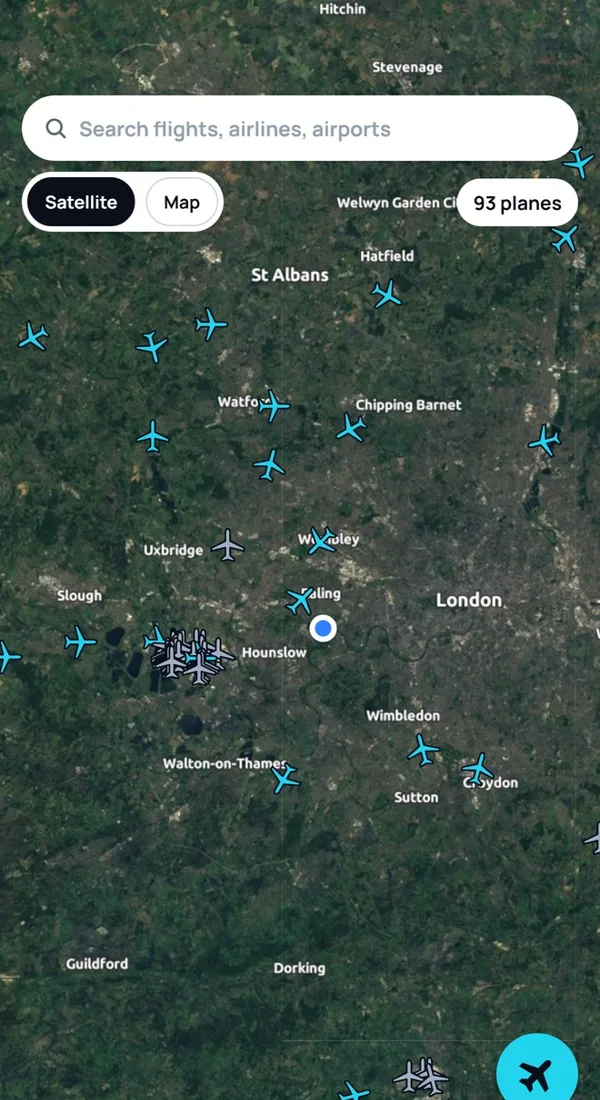
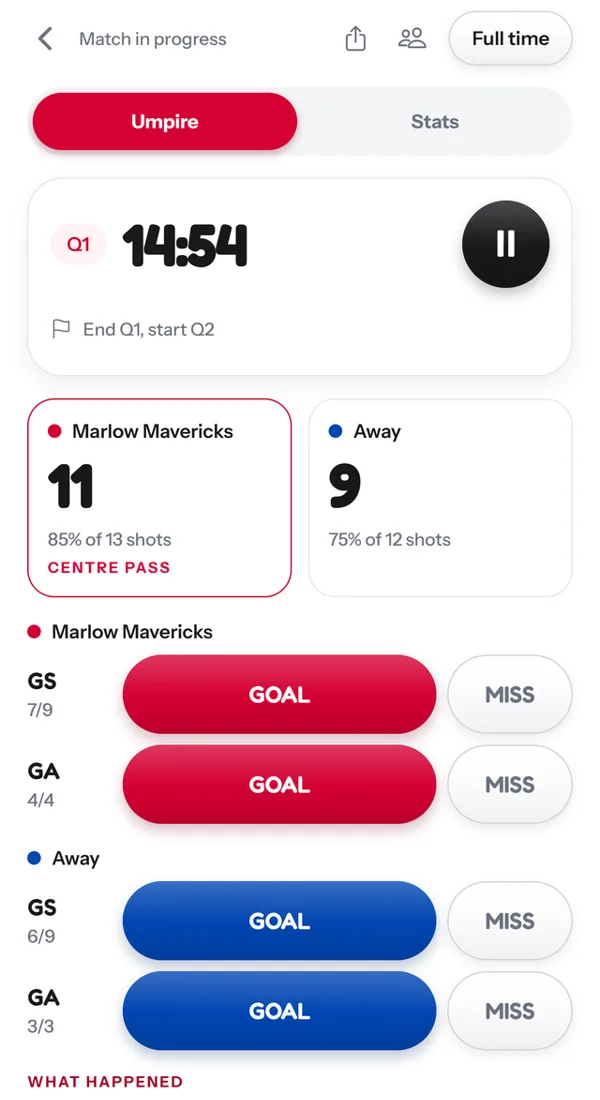
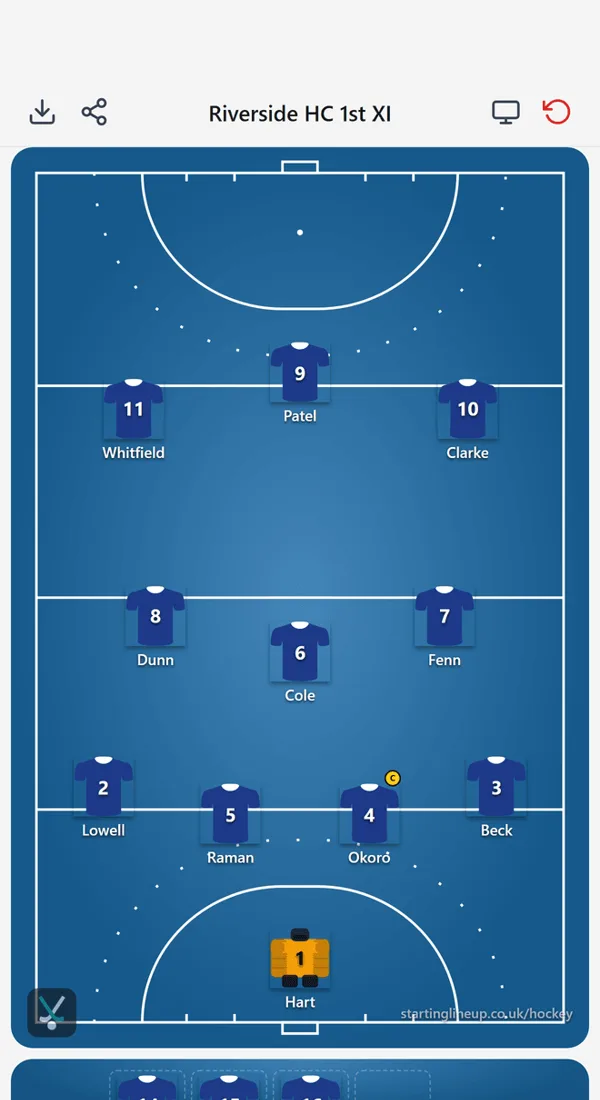
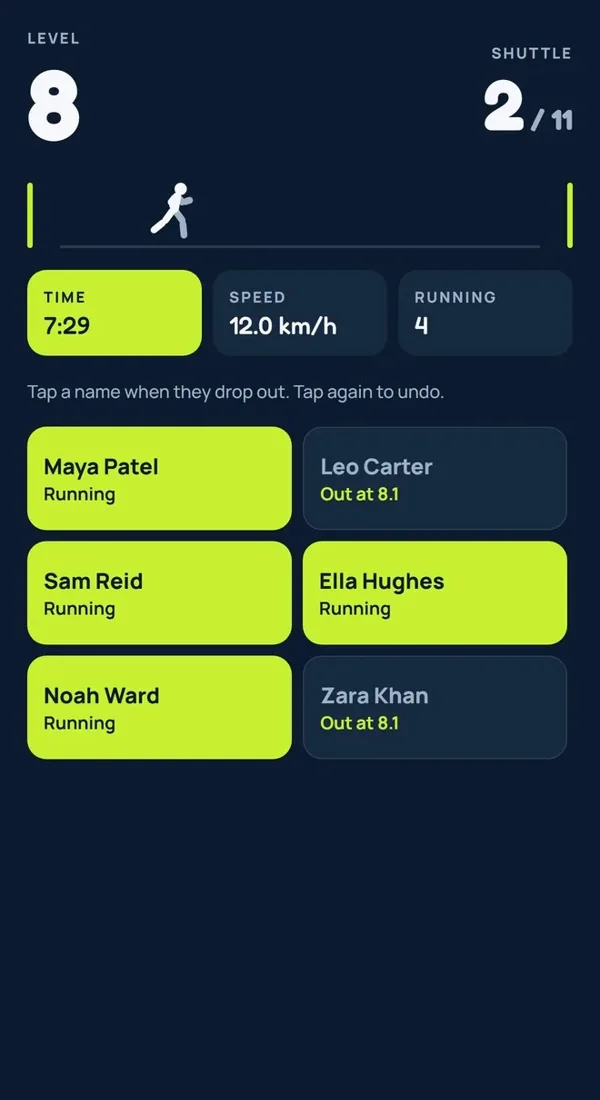
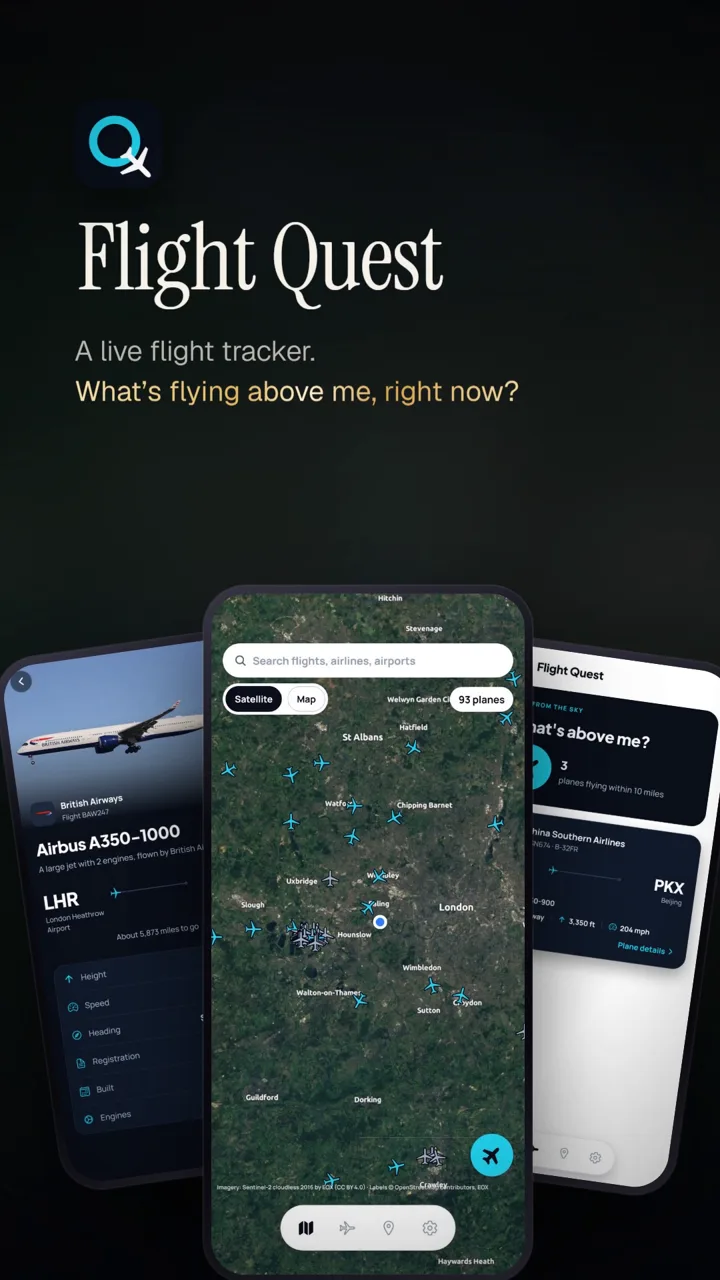
Bleep Test, a 20m shuttle run app with voice call outs. Netball Scorer, for scoring a match from the side of the court. Hockey Lineup, for picking a team and setting it out on a pitch. Flight Quest, a live flight tracker that answers "what is flying over me right now?".
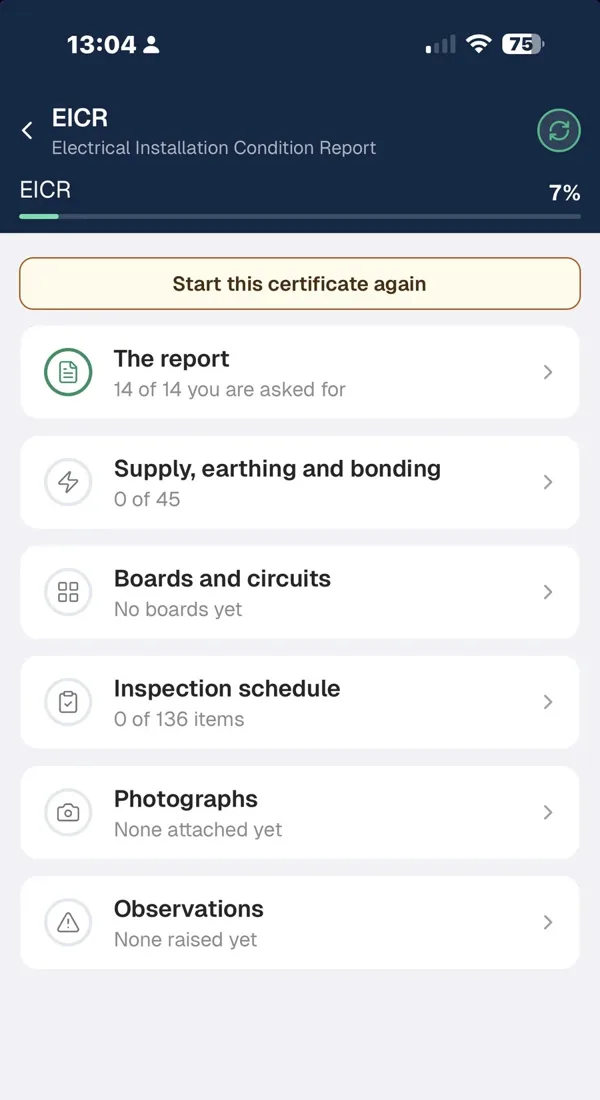
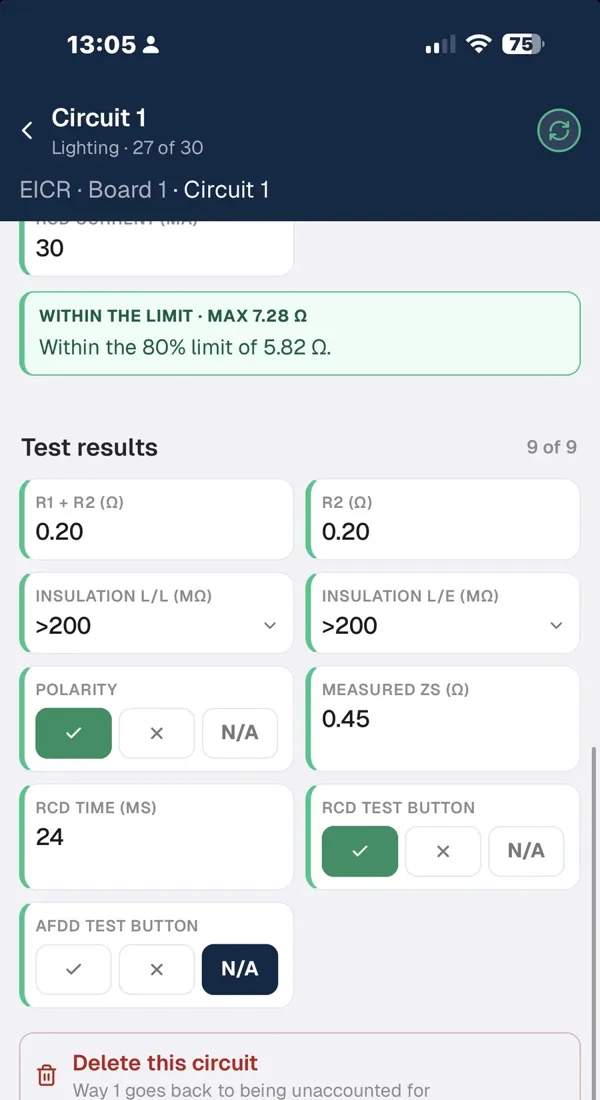
The biggest single piece of work. Electricians can now complete an electrical installation condition report in the app, circuit by circuit, with the limits checked as they type.
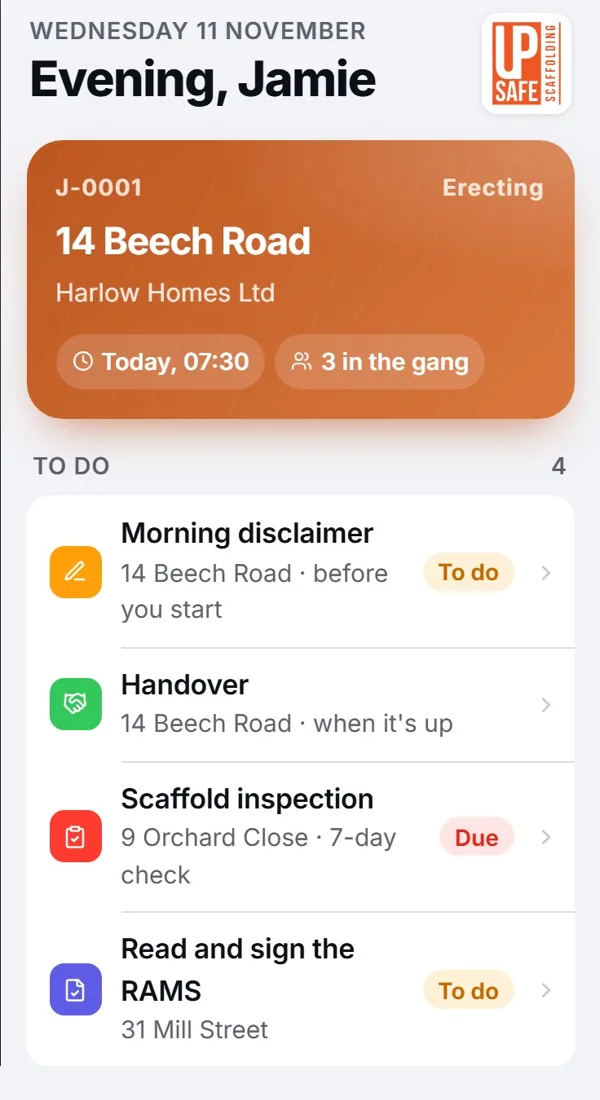
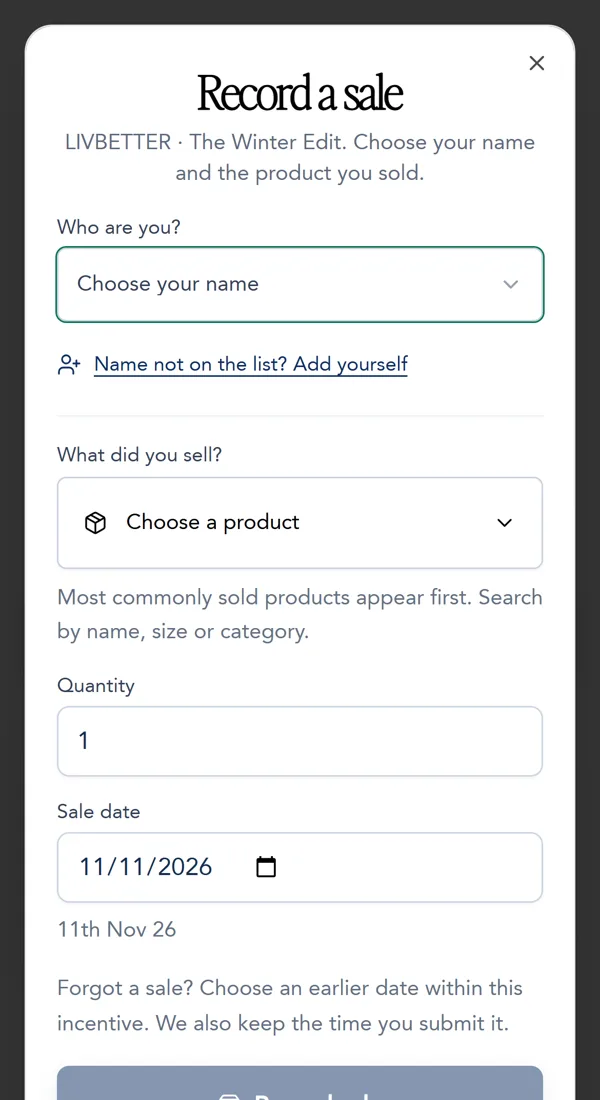
ScaffRun, a prototype for a scaffolding firm with the office and every crew in one place. A sales tracker for HydroPeptide's salon and clinic incentives. A premium version of the Fine Club app.
A new website for Penn and Tylers Green FC, with match programmes. 41 new courses added to the Golf Handicapp database. More than 25 rendered films, including a 3D flyover of London's theatres. Seven articles on this blog.

What the AI nailed
The volume is the obvious bit, but it is not the most useful bit. What changed my fortnight was that the AI could hold a whole project in its head and pick it up again without me re explaining it.
It went from a GitHub repository, to an App Store build, to a blog post about the same app, to the film that shows it, without losing the thread. It wrote the code, tested it, captured the screenshots on a simulated phone and rendered the video frame by frame. The parts I used to dread, like store listings, privacy pages and screenshot sets, stopped being a week of evenings.


Where it went wrong, and what I had to correct
This is the bit that matters, because the speed hides a lot of mistakes if you are not watching.
- Built my social recap as a 16:9 slide deck, when everything I post is 9:16
- Squeezed desktop screenshots into phone frames, so every screen looked squashed
- Sat waiting for a video render it already knew was out of date
- Missed three whole projects, because it only looked at GitHub
- Broke a live build with a single apostrophe in a line of text
- Writing the rule down, so 9:16 is now the default for anything social
- Capturing real phone screens at phone size, never resizing desktop ones
- A standing rule: if a change makes work obsolete, kill it and restart at once
- Telling it where everything lives, not just the code it can see
- Building and checking before anything goes live, every time
The missed projects were the one that annoyed me most. ScaffRun, Flight Quest and the bulk of my Tutaris work were not where it looked, so as far as the report was concerned they did not exist. It was confident and wrong, and if I had not known my own fortnight I would have published a recap without the most important work in it.
The real lesson
AI is brilliant at doing what you asked. It is much worse at noticing what you forgot to ask. The person in charge still has to know what good looks like.
So why am I not rich yet?
I said this out loud after seeing the number: a year's work in two weeks, so where is the money? The honest answer is that building was never the hard part of a business. Selling is. Four apps on the App Store earn nothing until people find them, and a brilliant prototype for a scaffolding firm is worth what that firm decides to pay for it.
What AI has done is move the bottleneck. I can now build almost anything I can describe. The work that is left is the human work: choosing what is worth building, talking to the people who might want it, and checking every detail before it ships.
What I would tell anyone trying this
If you have read my earlier posts on letting AI do the hard work while determinism keeps it consistent and the explainer that would have cost thousands, this is the same approach at full speed: AI does the heavy lifting, and I stay on top of what it gets wrong.